
When the State Gets Involved, Your Family Needs Someone Who Knows the System.
I worked as a probation officer before I became an attorney. I know the juvenile system from the inside, how it works, what it looks for, and how families get the best possible outcome from a difficult situation.
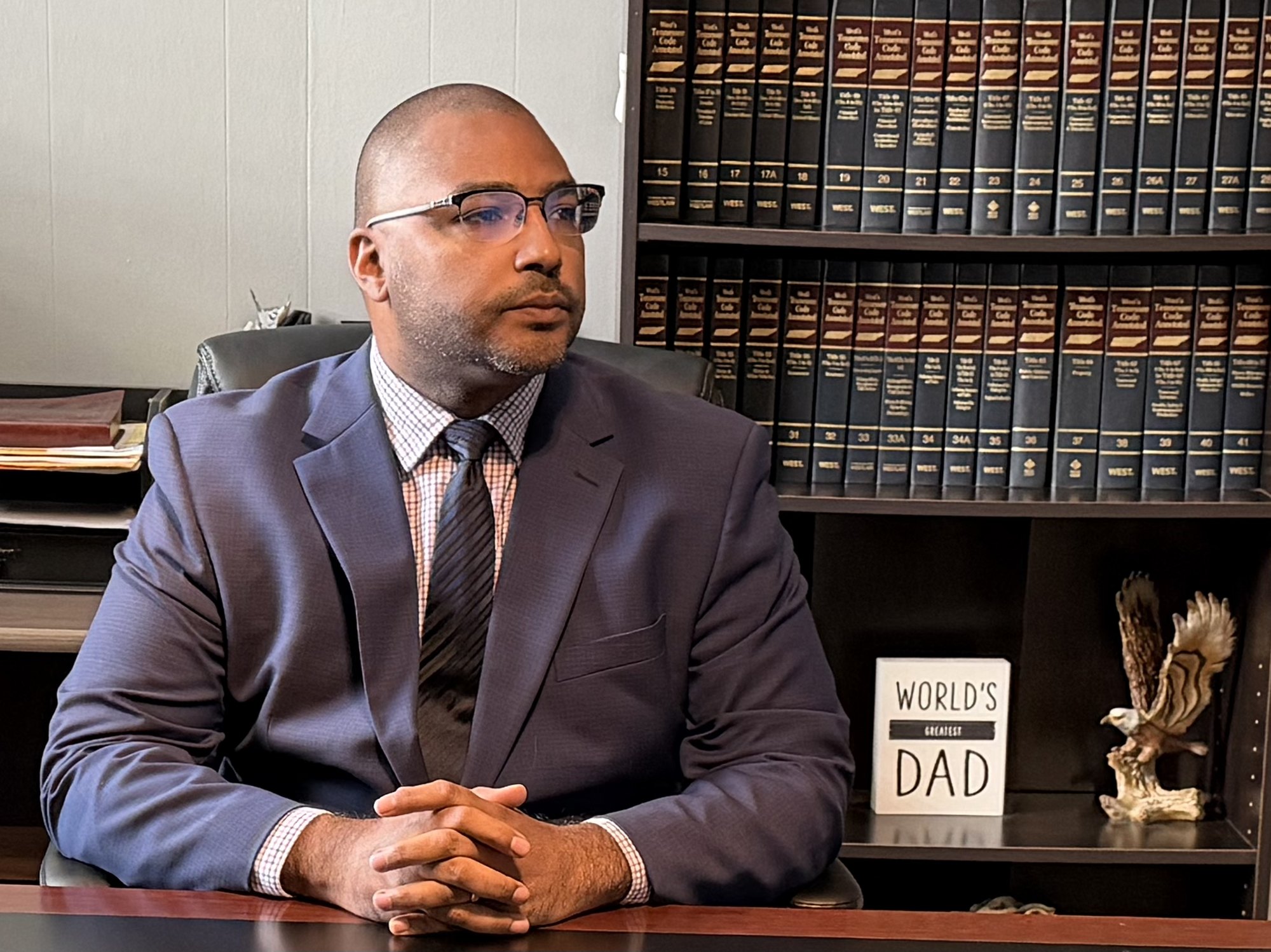
Juvenile Law in Tennessee
Juvenile court handles matters affecting minors, criminal charges, status offenses, and DCS involvement. These proceedings move quickly and carry serious consequences for families.
Juvenile Delinquency
When a minor is charged with a criminal offense and the case goes through juvenile court. Representation matters, the outcome affects education, housing, and opportunities for years to come.
DCS Defense
When the Department of Children’s Services opens an investigation or initiates court proceedings, having experienced representation from the beginning is critical. These cases are fast-moving and the stakes are real.
How Juvenile Court Is Different, And Why It Still Matters
Juvenile court in Tennessee moves faster than adult criminal court. The proceedings are less formal. The stated goal is rehabilitative rather than punitive.
None of that means the stakes are low.
A delinquency finding in juvenile court can affect a child’s school enrollment, housing eligibility as an adult, and employment options in fields requiring background checks. Certain offenses, serious enough, or involving a minor who is old enough, can result in transfer to adult court. And DCS involvement that begins as an investigation can escalate to a court-ordered service plan, or in severe cases, a termination of parental rights proceeding, faster than most families expect.
What juvenile courts look at:
- The child’s history and prior contact with the court system
- The family’s structure, stability, and support network
- The child’s school attendance and academic standing
- The family’s engagement with services and supervision, or willingness to engage
The speed of these proceedings matters.
Initial hearings happen quickly after a charge or DCS petition is filed. Decisions made in those early hearings shape what comes next. Walking into the first hearing without representation, because you weren’t sure you needed it yet, is one of the most common mistakes families make in juvenile court.
If there is any juvenile court involvement, representation from the start is not optional. It is the first thing you do.
I’ve Seen This From the Other Side
Before I was an attorney, I spent years as a probation officer. I know what DCS investigations look like from the inside, what courts weigh in juvenile matters, and what effective representation actually requires in these cases. I don’t approach them with judgment. I approach them with the understanding that people, and families, are capable of doing better. My job is to give you the strongest possible legal foundation to do exactly that.
Explore Juvenile Matters
PRICING NOTE: Juvenile law matters are handled on a flat-fee or retainer basis, starting at $2,000. I’ll give you an honest estimate for your situation in your consultation.
A couple of things on cost: court filing fees are separate from my fee, the court sets those and they vary by county, so I’ll give you a realistic picture for yours. And if paying up front is tough, we offer payment plans through Affirm (subject to credit approval). Either way, call the office or schedule a consult below and we’ll walk you through the process.
Don’t Wait for the Hearing
Time matters in these cases. Reach out before the next hearing.